A lot of Los Angeles homes built between the 1950s and the 1970s sit on a concrete slab, with the copper water lines running underneath it. When one of those lines springs a pinhole, the water has nowhere obvious to go. It soaks the soil, wicks into the floor, and shows up somewhere that might be nowhere near the break.
The signs to watch for
- A warm spot on the floor, often in a hallway, kitchen or bathroom, that you can feel in bare feet.
- The sound of running water with every tap and appliance off.
- New cracks in tile or flooring, or wood planks starting to cup.
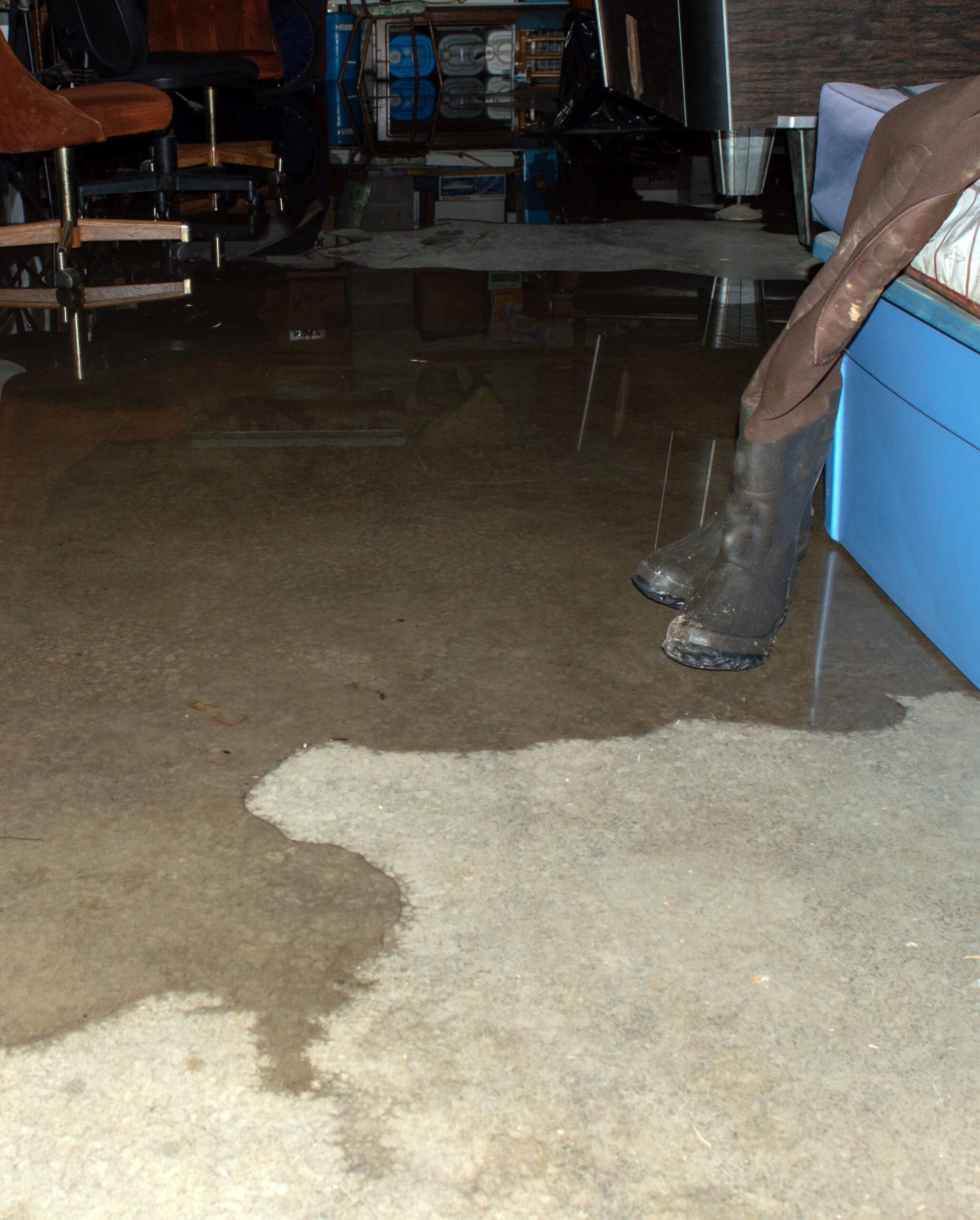
- Damp carpet or a wet patch that won’t dry out.
- Mold or a musty smell along the base of the walls.
- A water bill that jumps without a reason you can point to.
- Water pressure that drops at taps that used to be fine.
Hot line or cold line?
Under most slabs there are two kinds of supply line: cold water from the main and hot water from the heater. A leak on either one is a slab leak, but they behave differently.
A hot water slab leak warms the concrete around it. That’s the warm spot you feel underfoot, and it’s also why your water heater may seem to run all the time. You’re paying to heat water that ends up in the soil.
Cold line leaks give fewer clues. There’s no warm spot, so they tend to show up as a meter that won’t stop, a damp floor, or a bill that creeps up.
Why slab leaks happen in Southern California
- Hard water. Water chemistry, including hard water, can contribute to pinhole leaks in copper.
- Pipe rubbing on concrete or gravel. Hot water lines expand and contract every time they heat up and cool down. Where a pipe touches concrete or sharp fill, that small movement can wear through the wall over time.
- Soil movement and earthquakes. Ground that shifts, settles or shakes puts stress on rigid pipe locked in a slab.
- High water pressure. Pressure that’s set too high strains every joint and fitting in the house.
Most older slab leaks come from a mix of these.
Check your meter
The quickest check is your water meter: turn off every tap and water-using appliance, note the reading, use no water for about an hour, then check it again. If the number moved, water is going somewhere. Our water meter test walks through it step by step.
Water coming up through the floor?
Shut the water off first. The main shut-off is usually at the water meter near the street, or on the line where it enters the house. If the warm spot points to the hot side, closing the cold supply valve on top of the water heater stops new water feeding the hot lines while the rest of the house keeps running. Turn off the power or gas to the water heater if you shut its supply for long, and follow the maker’s instructions.
See how slab leak detection narrows a leak to one spot, or tell us what you’re seeing.