
Find the leak. Not the damage.
Leak Detection in Los Angeles
Prime Leak Detection finds hidden water leaks in homes, pools and commercial buildings across Los Angeles and Orange County, then marks the spot where the repair should start.
- Licensed & insured
- BBB Accredited
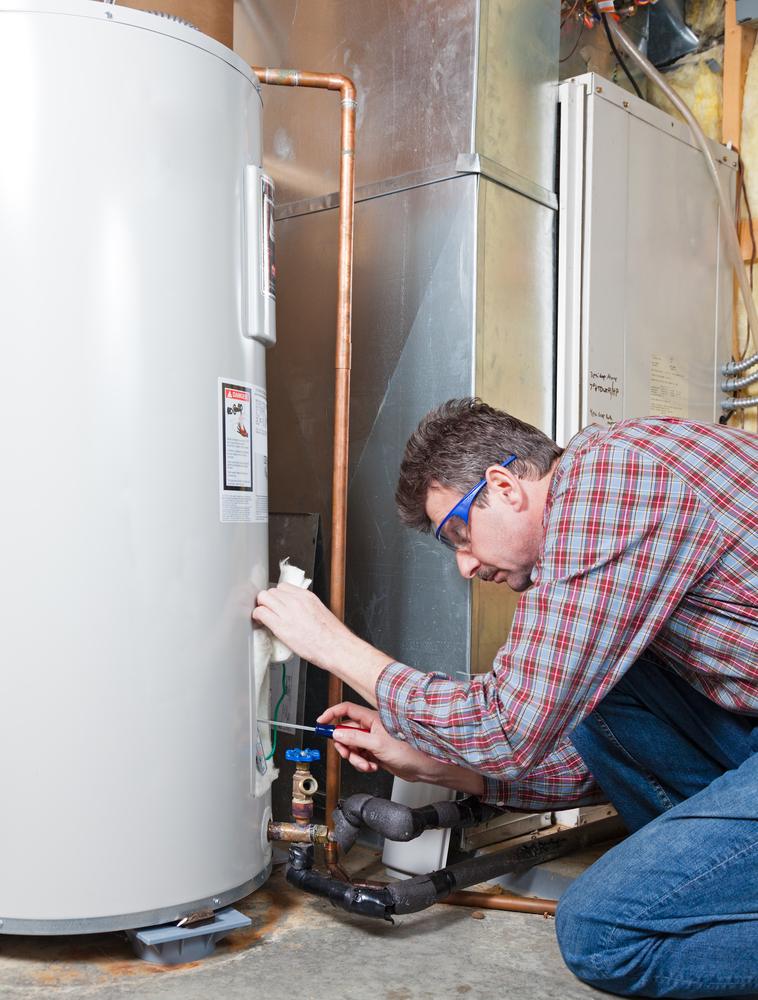
Acoustic · Thermal · Pressure
- Acoustic, thermal & pressure testing
- Homes, pools & commercial buildings
- Offices in Chatsworth and Irvine
- Los Angeles and Orange County
A stain on the ceiling.
A water bill that doubled.
A pool that drops faster than the summer heat can explain.
Each one can mean water is escaping. None of them tells you where.

Finding where is the job of a leak detection specialist. In Los Angeles the source is often somewhere you can’t see: a copper line under a concrete slab, a supply line inside a wall, a cracked fitting under the pool deck. We trace it with listening equipment, pressure tests and infrared cameras, and we tell you what we found in plain terms.
Services
Leak Detection Services in Los Angeles
Whatever you’re seeing, the work starts with finding where the water is actually escaping.

Residential Leak Detection
Stains, a musty smell, soft drywall or a meter that won’t stop. We track hidden leaks inside walls, under floors and behind fixtures.
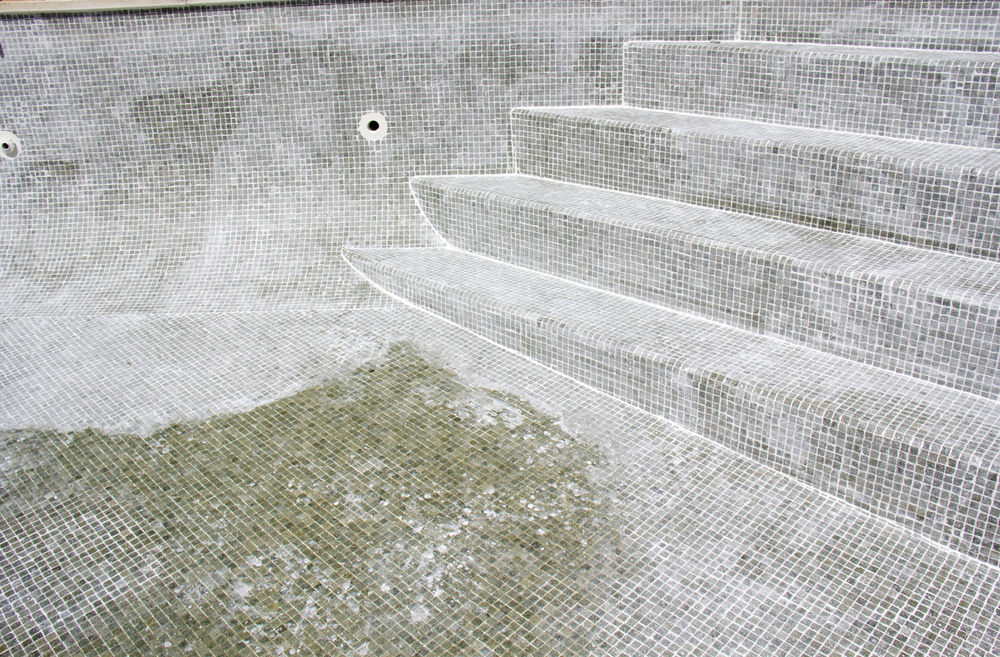
Swimming Pool Leak Detection
Losing more water than evaporation explains? We test the shell, fittings and buried lines to find where it’s going.
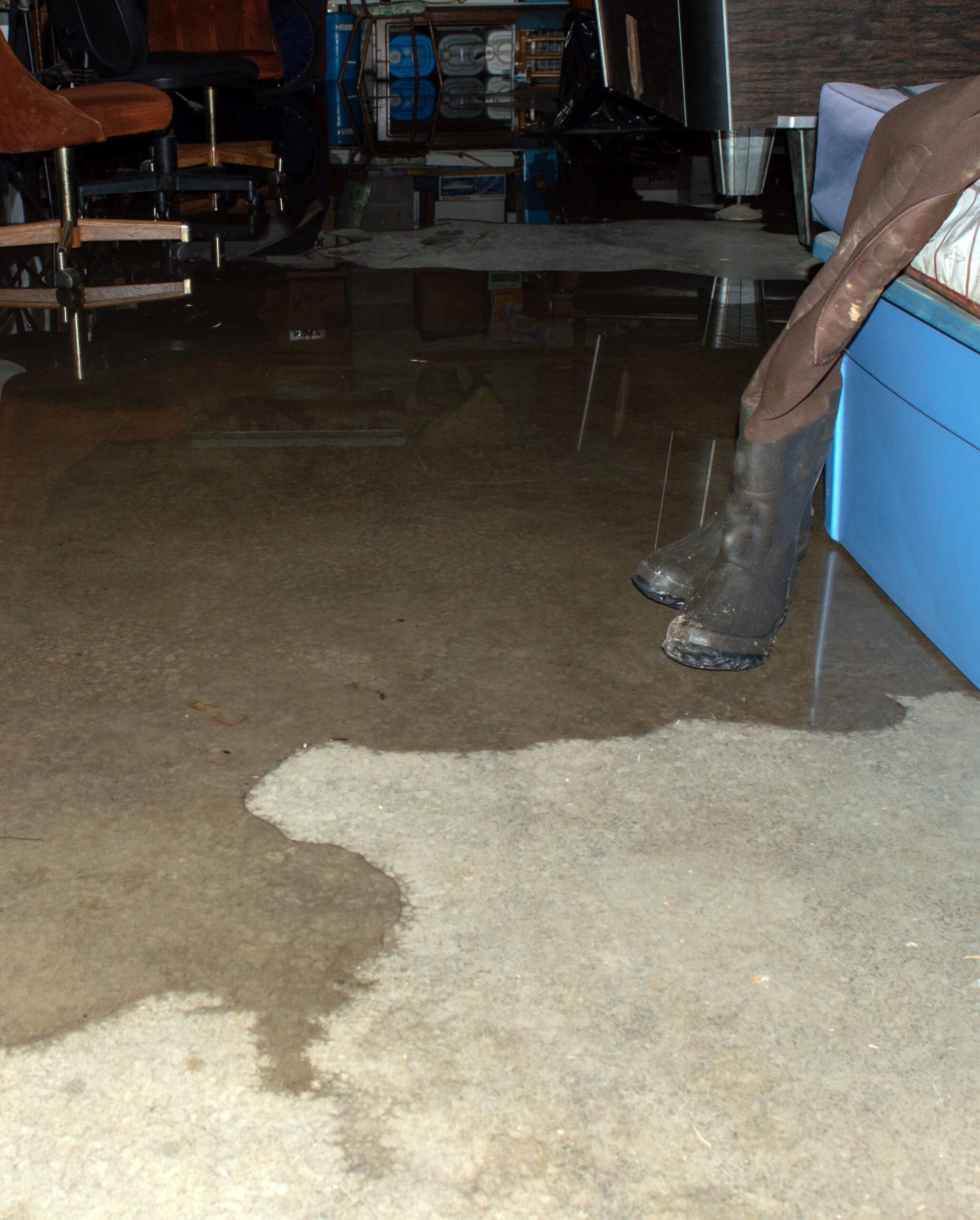
Slab Leak Detection
A warm spot on the floor, or running water you can hear with every tap off. We locate leaks in the lines under your concrete slab.
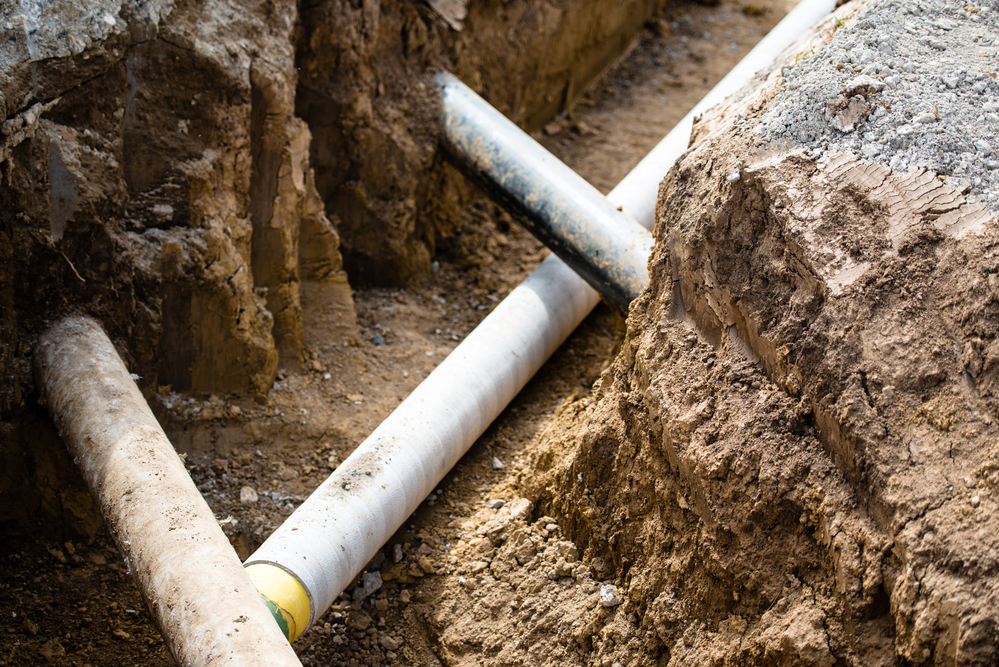
Underground Leak Detection
A soggy patch of lawn or a meter that keeps spinning. We trace main water lines and buried pipe before any digging starts.
Thermal Imaging Leak Detection
Infrared cameras show the temperature changes moisture leaves behind walls, ceilings and floors.

Commercial Leak Detection
Apartments, offices, retail and HOA properties. Longer pipe runs, more units and tenants who need to know what’s going on.
Not sure which one fits? Describe what you’re seeing in the request form and we’ll take it from there.
How it works
From suspicion to source.
Detection is a sequence, not a guess. Four stages take a suspicion to a specific location.
Assess
Detection starts with the symptoms: where water is showing, what has changed, and how the property is built.
Detect
Inspection methods narrow the search from a whole property to a small area.
Pinpoint
The aim is a specific location for the source, so repair work can be targeted instead of exploratory.
Report
Findings are explained in plain terms, so the next step is a decision rather than a guess.
Why we locate first
The stain is not the source.
A damp patch, a stained ceiling or a rising water bill tells you that water is going somewhere it should not. It does not tell you where it started.
Searching by opening surfaces costs time and money, and can create damage of its own. Locating the source first turns a search into a decision.
That is the idea behind precise detection: find the leak, and avoid disturbing more of the property than the job requires.
The gap between the stain and the source can be wider than you’d expect. Water from a slab leak can run along the underside of the concrete and surface two rooms away. A pinhole in a copper line inside a wall can stain the ceiling under a different bathroom.
Local knowledge
Why Southern California homes leak
Leaks here tend to have a local cause.
- Water chemistryWater chemistry, including hard water, can contribute to pinhole leaks in copper.
- Slab-on-grade homesA lot of Valley and Orange County homes were built slab-on-grade, so their water lines run under the concrete where you’ll never see them.
- Soil movement and earthquakesSoil movement and earthquakes put stress on those buried lines.
- Galvanized steelOlder houses may still have galvanized steel that rusts from the inside out.
- Backyard poolsWith so many backyard pools, a cracked return line or a loose skimmer often shows up in summer, when the auto-fill runs and the bill climbs.
Service area
Leak Detection Across Los Angeles and Orange County
Two offices cover the area. Pick the one closest to you.
Los Angeles County
Chatsworth office
9941 Canoga Ave, Chatsworth, CA 91311
Neighborhoods closest to the office, plus calls across Los Angeles County:
- Chatsworth
- Porter Ranch
- Winnetka
- Canoga Park
- Northridge
- Granada Hills
- West Hills
- Reseda
- Woodland Hills
- Tarzana
- Encino
- Calabasas
- Van Nuys
Leak detection in the San Fernando ValleyGet directions to the Chatsworth office (opens in a new tab)
Orange County
Irvine office
18100 Von Karman Ave #850, Irvine, CA 92612
Cities closest to the office:
- Irvine
- Costa Mesa
- Santa Ana
- Tustin
- Newport Beach
- Fountain Valley
- Orange
- Garden Grove
- Huntington Beach
- Laguna Hills
- Lake Forest
- Westminster
Leak detection in IrvineGet directions to the Irvine office (opens in a new tab)
FAQ
Leak detection questions
What are the signs of a hidden water leak?
Watch for stains on walls or ceilings, warped or lifting floors, a musty smell that won’t clear, drywall that feels soft, a warm spot on a tile floor, or the sound of running water when nothing’s on. A water bill that jumps for no clear reason is often the first clue.
To check, turn off every tap and water-using appliance, note the reading on your meter, then use no water for about an hour and check it again. If the number moved, water is going somewhere.
How much does leak detection cost in Los Angeles?
It depends on what we’re looking for and where. A single supply line inside a wall is a shorter job than a slab with several lines under it, a commercial building with long pipe runs, or a pool with buried plumbing under the deck. Tell us what you’re seeing when you get in touch and we’ll explain what the visit involves.
Which areas do you cover?
Our Chatsworth office is the main office and covers the San Fernando Valley, from Porter Ranch and Granada Hills down to Woodland Hills and Encino, plus calls across Los Angeles County. Our Irvine office covers central Orange County, including Tustin, Santa Ana, Costa Mesa, Newport Beach and Huntington Beach.
How quickly can someone come out?
We respond fast, and the details you give us when you request service help us send the right equipment the first time. If water is coming through a floor or ceiling, shut off the main valve at your meter or where the line enters the house, then call.
Tell us what you’re seeing.
A few details are enough to start.